Breed-Specific Grooming in New Jersey: What Each Coat Actually Needs
Breed-Specific Grooming in New Jersey: What Each Coat Actually Needs
New Jersey's four-season climate creates grooming demands that differ significantly from both warmer and colder states. The combination of humid summers, cold winters, and dramatic spring and fall transitions affects every coat type differently. Here's what NJ's most popular breeds actually need.
Goldendoodles (the most-groomed dog in NJ suburbs)
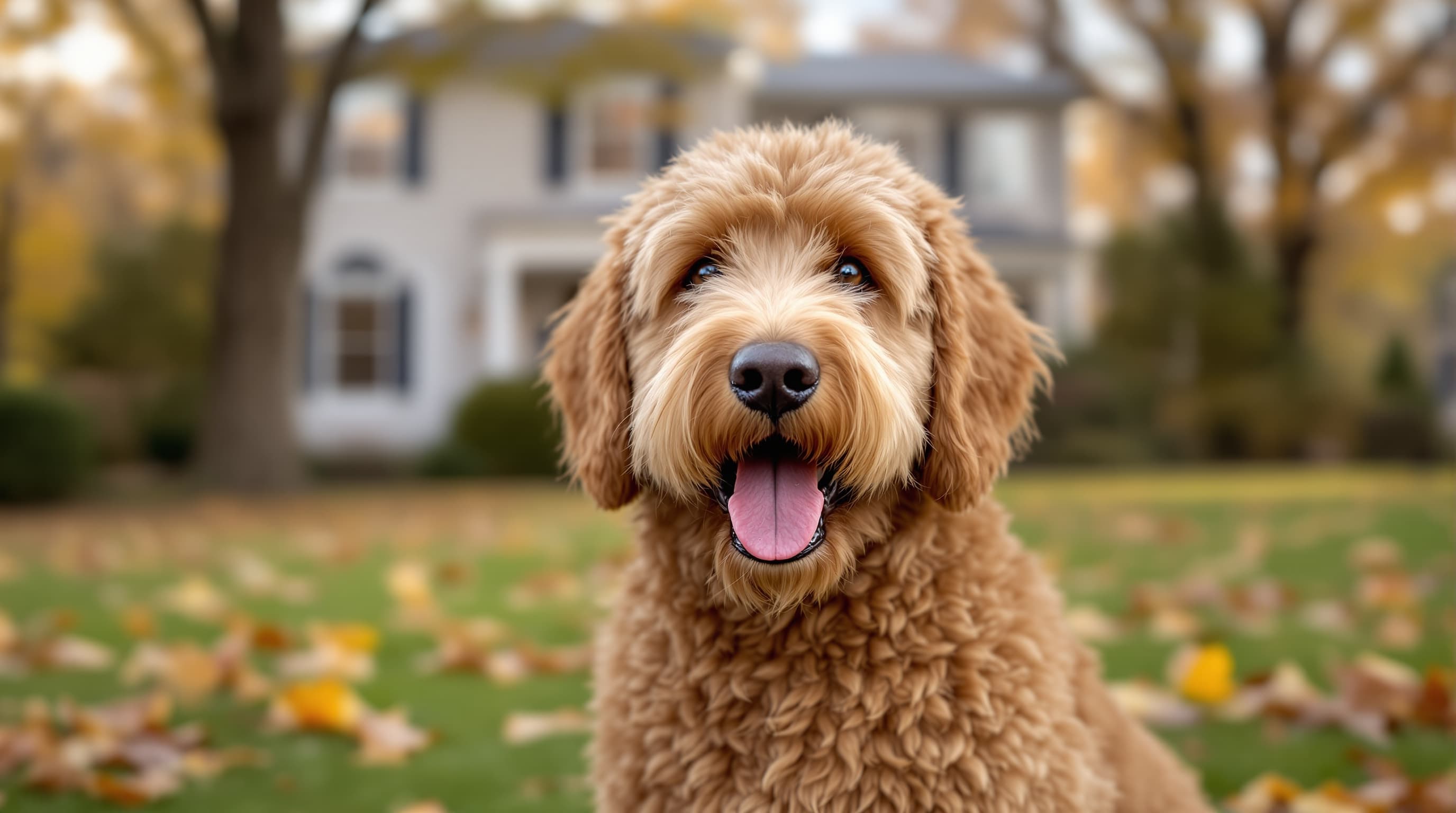
Goldendoodles have taken over Bergen, Morris, and Monmouth counties. Their coats range from wavy to tightly curled depending on their generation, and every type mats in New Jersey's summer humidity. The problem is the moisture that stays trapped near the skin during July and August. Without regular grooming every 6–8 weeks, doodle coats pack into dense mats that can only be removed by shaving. Most NJ Goldendoodle owners learn this the hard way once, then switch to a consistent schedule.
Winter is no easier. Doodles grow coat continuously, and by January a dog that last came in October is borderline unsalvageable. Most experienced NJ groomers recommend doodles every 6 weeks year-round, shorter cuts in summer, longer in winter if the owner is willing to brush daily.
German Shepherds
German Shepherds are enormously popular throughout Central Jersey, and their double coat is both a blessing and a grooming challenge. In NJ's spring (March through May), shepherds blow their undercoat in dramatic fashion. A de-shedding treatment during peak coat blow removes the loose undercoat before it reaches your carpets and furniture. Fall coat growth in September and October creates a second maintenance window.
Between those seasonal peaks, a bath and brush every 8–10 weeks is sufficient for most shepherds. What to avoid: shaving. A German Shepherd's double coat provides insulation in both directions — shaving disrupts this and can damage the coat's structure permanently.
Portuguese Water Dogs (popular along the Shore)
Portuguese Water Dogs have had a resurgence in NJ Shore towns — Belmar, Spring Lake, Long Branch, and throughout Monmouth County. Their thick, wavy coat is similar to a Poodle in some ways (non-shedding, grows continuously) but denser and more salt-resistant, which is why the breed historically worked on boats.
In practice, a PWD in NJ needs grooming every 6–8 weeks. Salt air from the coast does accelerate matting if the coat isn't rinsed after beach exposure. Most Shore-area groomers recommend a rinse within 24 hours of ocean exposure, then a professional groom every 6–7 weeks to keep the coat manageable.
Shih Tzus in retirement communities
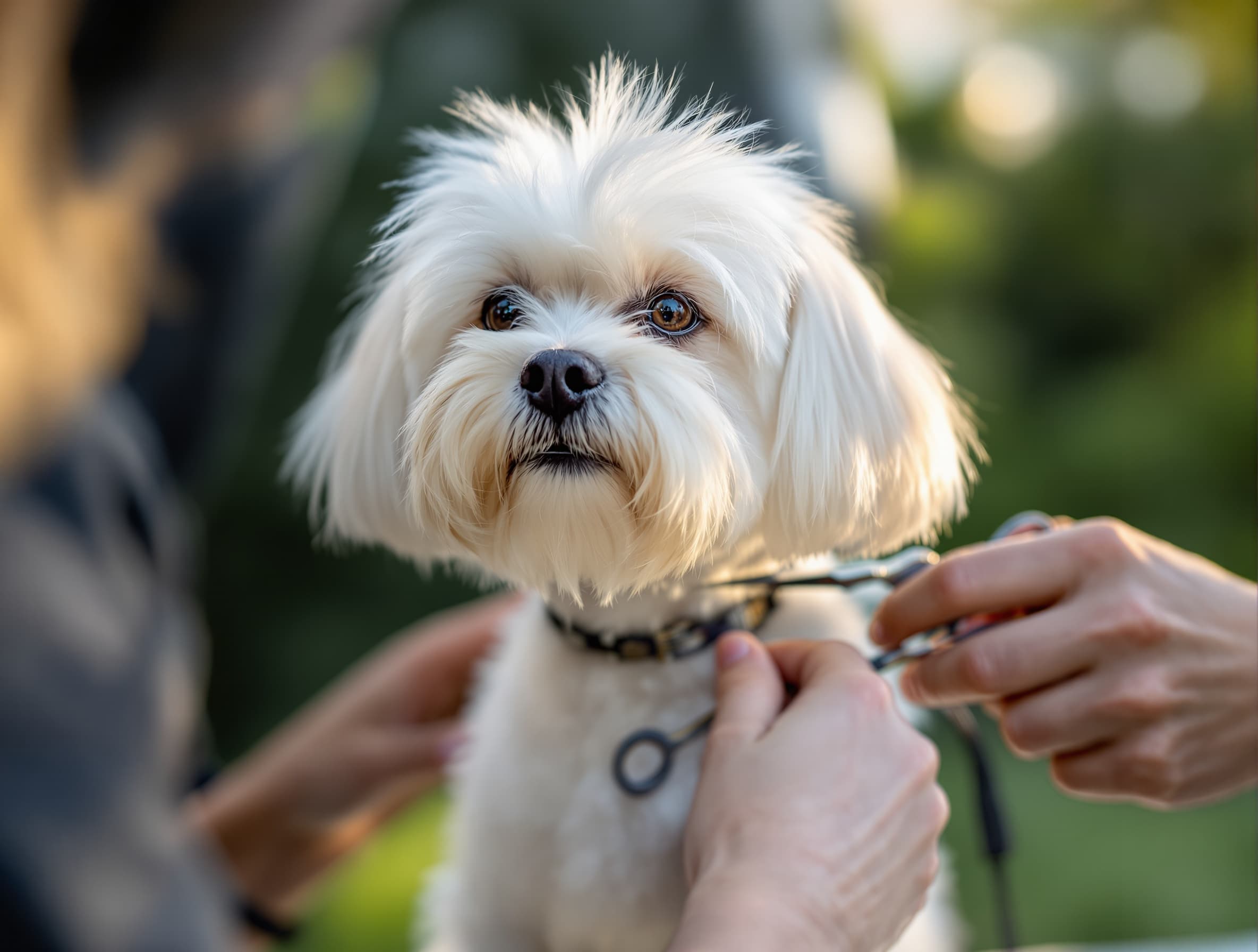
Shih Tzus are disproportionately represented in NJ retirement communities throughout Ocean County, Middlesex County, and Monmouth County. Their silky double coat looks beautiful when maintained but deteriorates quickly without consistent grooming. Every 4–6 weeks is the standard; many Shih Tzu owners book every 4 weeks to maintain the classic Shih Tzu top-knot look.
What makes NJ's climate relevant: Shih Tzus pick up humidity-related eye staining more aggressively than in drier climates. A tear stain treatment and careful face trim every 4 weeks makes a noticeable difference.
NJ four-season grooming calendar
Spring (March–May): heavy shedding for double-coat breeds. De-shedding treatments for German Shepherds, Labs, and Goldens are in highest demand. Start booking 2–3 weeks ahead.
Summer (June–August): humidity and heat drive more frequent grooming for all breeds. Doodles and long-coat breeds mat fastest during this period. Shorter cuts are practical. Watch for hot spots and skin irritation under dense coats.
Fall (September–November): second coat blow for double-coat breeds. Winter coat growth begins for styling breeds. Good time to establish a schedule heading into the cold months.
Winter (December–February): outdoor dogs may need less frequent bathing but still need regular grooming. Long-coat breeds actually mat faster if they're active outdoors and not brushed consistently.
USDA inspection compliance for mobile vans
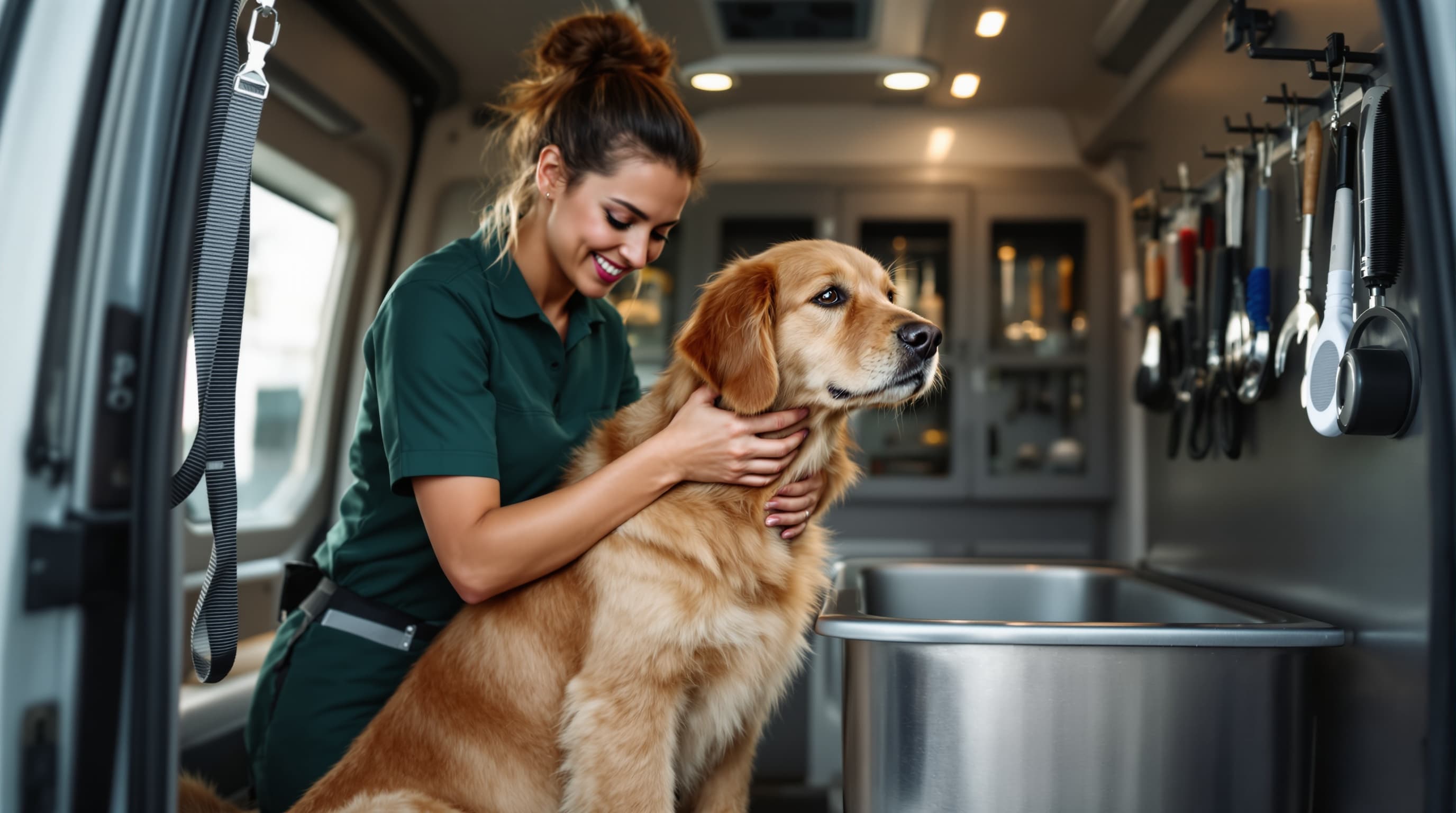
NJ mobile grooming vans that operate commercially are subject to inspection under NJ Department of Agriculture guidelines. Compliant vans maintain clean water systems, proper waste disposal, and sanitary equipment. When booking a mobile groomer in NJ, it's reasonable to ask whether their van has passed inspection — reputable operators have documentation.

Sarah Kowalski
Owner & Lead Groomer
Ready to Book?
Mobile grooming at your door in Central NJ.